Whole Grains Month is a great time for seniors, families, and caregivers to improve daily nutrition by adding more whole grains to balanced meals. Foods such as oatmeal, brown rice, whole wheat bread, barley, and quinoa provide fiber and important nutrients that can support digestion, energy, and overall wellness. Simple food choices can help older adults maintain healthier routines and support independent living.
Observed in September, Whole Grains Month encourages people to learn more about the benefits of whole grains and find simple ways to include them in everyday meals. For seniors, making nutritious food choices is an important part of healthy aging. Families and caregivers can use this month as an opportunity to review meal plans and introduce healthy, enjoyable foods.
What Are Whole Grains?
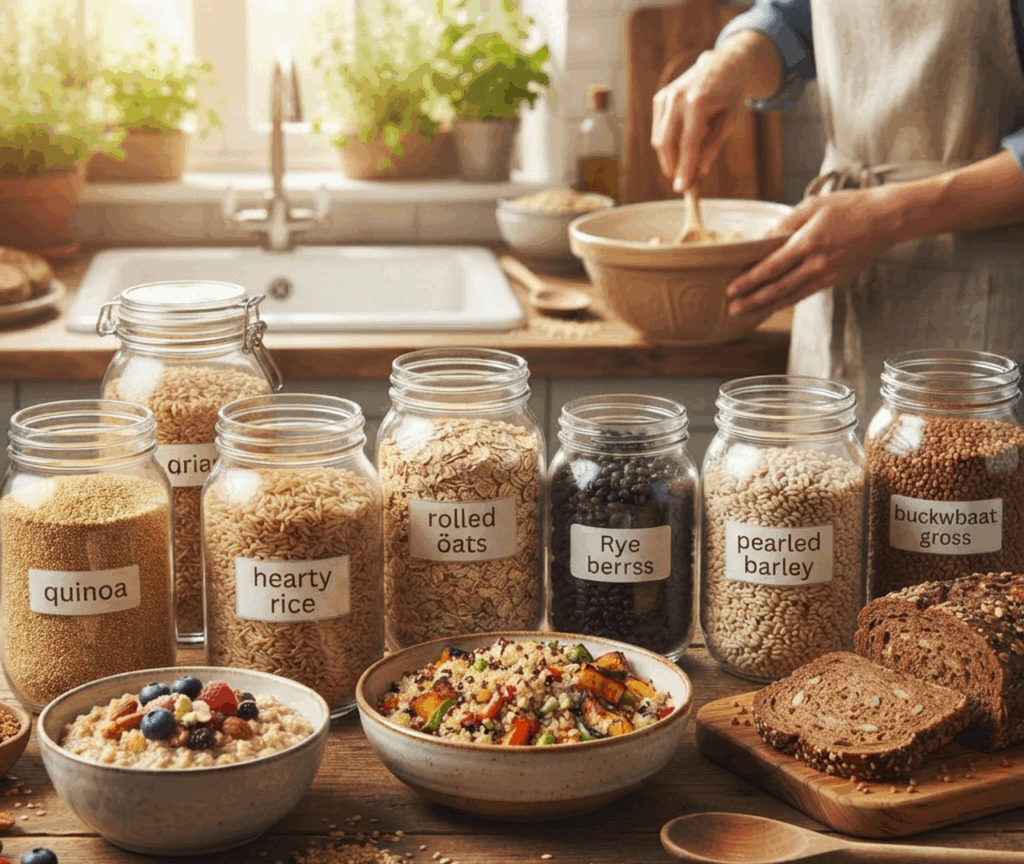
Whole grains contain all three main parts of the grain: the bran, germ, and endosperm. This means they retain more natural nutrients and fiber than refined grains.
Common whole grains include:
- Oatmeal
- Brown rice
- Whole wheat
- Barley
- Quinoa
- Whole grain corn
- Buckwheat
Adding different whole grains to meals can make a diet more varied and nutritious.
Why Are Whole Grains Helpful for Seniors?
As people age, maintaining good nutrition becomes increasingly important. Whole grains can be part of a balanced diet that supports daily wellness.
They provide:
- Dietary fiber
- Vitamins and minerals
- Long-lasting energy
- Plant-based nutrients
- A variety of meal options
A balanced diet should include a variety of foods rather than relying on one food group.
Support Healthy Digestion
Fiber is an important part of a healthy diet and can support normal digestion.
Seniors can add fiber gradually by choosing:
- Oatmeal for breakfast
- Brown rice with lunch
- Whole grain bread for sandwiches
- Barley in soups
- Quinoa in salads
Drinking enough water throughout the day is also important when increasing fiber intake.
Help Maintain Daily Energy
Whole grains can provide carbohydrates that the body uses for energy.
Easy meal ideas include:
- Oatmeal with fresh fruit
- Whole grain toast with eggs
- Brown rice with vegetables and lean protein
- Barley and vegetable soup
- Quinoa with beans and roasted vegetables
Balanced meals can help seniors maintain energy for daily activities.
Make Meals More Interesting
Healthy eating does not have to be boring.
Families and caregivers can experiment with:
- Different grains
- Seasonal vegetables
- Fresh herbs
- Healthy proteins
- Homemade soups
- Grain-based salads
Trying new recipes can make mealtimes more enjoyable while encouraging nutritious choices.
Choose Whole Grains at Breakfast
Breakfast is an easy place to introduce whole grains.
Try:
- Oatmeal with berries
- Whole grain toast with avocado
- Whole grain cereal with fruit
- Overnight oats
- Homemade oatmeal muffins
A nutritious breakfast can help start the day with a balanced meal.
Include Whole Grains at Lunch and Dinner
Whole grains can be included in many familiar meals.
Consider:
- Brown rice bowls
- Whole wheat sandwiches
- Quinoa salads
- Barley soups
- Whole grain pasta with vegetables
- Grain and bean dishes
Small substitutions can gradually improve the overall quality of a diet.
Read Food Labels Carefully
Not every product labeled as “wheat” or “multigrain” is necessarily a whole grain food.
When shopping, families can:
- Look for “whole grain” or “whole wheat” near the beginning of the ingredient list
- Compare nutrition labels
- Check fiber content
- Choose products with less added sugar when possible
- Select foods that fit individual dietary needs
When in doubt, ask a qualified healthcare or nutrition professional for guidance.
Support Seniors With Meal Planning
Caregivers can make healthy eating easier by planning meals ahead.
Helpful strategies include:
- Creating weekly menus
- Preparing grains in batches
- Keeping healthy ingredients available
- Freezing extra portions
- Adding vegetables and lean protein
- Preparing easy-to-eat meals
Meal planning can save time while supporting consistent nutrition.
Make Healthy Eating a Family Activity
Families can make Whole Grains Month more enjoyable by preparing meals together.
Try:
- Cooking a new whole grain recipe
- Shopping for ingredients together
- Preparing breakfast as a family
- Sharing healthy meals
- Creating a weekly meal plan
These activities encourage healthy habits while creating meaningful opportunities for family connection.
Consider Individual Dietary Needs
Nutrition needs can vary from person to person, especially among older adults.
Families should consider:
- Food allergies
- Chewing or swallowing difficulties
- Dietary restrictions
- Existing health conditions
- Medication-related dietary concerns
- Personal food preferences
A healthcare provider or qualified nutrition professional can offer personalized guidance when needed.
Build Healthy Habits Beyond September
Whole Grains Month is a reminder that healthy eating should continue throughout the year.
Simple long-term habits include:
- Choosing whole grains more often
- Eating a variety of fruits and vegetables
- Including healthy protein sources
- Drinking enough water
- Limiting highly processed foods
- Planning balanced meals
Small changes made consistently can become lasting habits.
Final Thoughts
Whole Grains Month provides a simple opportunity for seniors, families, and caregivers to improve everyday nutrition. Adding oatmeal, brown rice, whole wheat, barley, quinoa, and other whole grains to balanced meals can increase dietary variety and provide important nutrients such as fiber. By making gradual changes, planning nutritious meals, and considering individual dietary needs, families can support healthy aging and help older adults maintain energy, independence, and overall wellness throughout the year.
Legal Disclaimer: This post is strictly for educational use and should not be construed as professional advice (medical, legal, financial, or otherwise).