
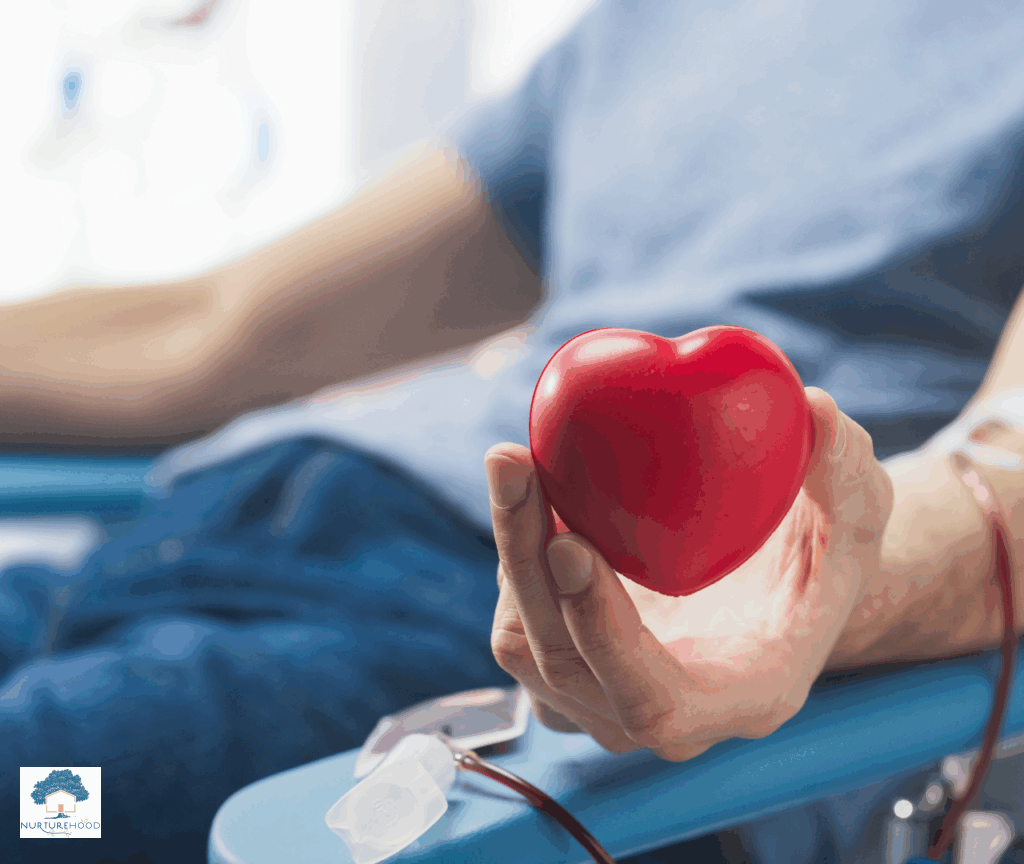
Every January, the world sees reminders announcing Blood Donor Month. Posters go up, campaigns launch, and people are encouraged to donate. It is all important. But as someone who owns a home care service and spends every day supporting seniors, people recovering from surgeries, and those living with chronic illnesses, I can tell you that these campaigns rarely capture the full truth.
Blood Donor Month talks about shortages and the need for donors. What it does not fully explain is how a small act from a stranger can transform an entire family’s life. I witness this transformation often. Not in medical charts or donation statistics, but in living rooms, kitchen tables, and quiet bedrooms where patients are fighting to stay strong.
What Blood Donations Mean Inside Real Homes
In home care, you see the impact of a single blood unit in the most personal way. Many of the people we support rely on regular transfusions to maintain their strength and independence. For them, blood is not only for emergencies. Sometimes it is part of weekly or monthly care routines.
We care for clients who need blood after chemotherapy, clients recovering from major operations, and clients managing conditions that drain their energy. When people imagine blood donations, they often picture dramatic emergency scenes. What they rarely picture is an elderly person in a small home feeling too weak to stand. They do not see the caregiver trying to help them eat or the spouse sitting beside the bed hoping for improvement.
But when a transfusion finally arrives, everything changes.
What Blood Donor Month Leaves Out
Campaigns talk about the importance of donating, but they cannot fully show the emotional and practical impact inside homes. Donors never meet the people they help. They do not see the immediate relief, the family’s tears, or the renewed strength.
As a home care owner, I want to share what we see every week, because it reveals why blood donation matters more than people realize.
1. A Single Bag of Blood Can Restore Someone’s Life Within Hours
I have watched clients who were pale, breathless, and barely able to sit up become energized again after a transfusion. Their faces regain color. They ask for food. They want to talk and walk and participate in life.
A donor spends maybe fifteen minutes giving blood. Those fifteen minutes can give someone else days or weeks of better health.
Sometimes the change is so dramatic that families say it feels like they got their loved one back.
2. Donations Ease Enormous Stress on Families
Family caregivers carry heavy emotional burdens. They juggle medical appointments, medications, work schedules, and responsibilities that most people never see. When blood supplies are low and transfusions are delayed, their anxiety increases. They worry about safety. They worry about hospitalization. They worry about decline.
When blood is available on time, the entire household breathes easier. The donor may not see this relief, but it ripples through the family in powerful ways.
3. Stable Blood Supplies Help Home Care Teams Do Their Jobs
Home care depends on consistency. Meals, medications, therapies, and routines are often planned around hospital transfusion days. If a transfusion is delayed because there is no blood, everything else collapses.
Clients may become too weak to complete exercises.
They may skip meals.
They may require additional visits from nurses or urgent care.
Blood donors help us keep people safe at home. Their generosity supports the entire care ecosystem.
4. Donations Give People More Time for Meaningful Moments
This is perhaps the most beautiful part that campaigns rarely highlight. A transfusion can help someone attend a family event, enjoy a dinner at home, or simply sit outside and feel the winter sun.
I have seen donors give people enough strength to see their grandchildren, celebrate a birthday, or make one more cherished memory. These moments matter more than anyone can measure.
The Emotional Truth Behind Closed Doors
Because our work takes place inside personal homes, we witness the tender moments that follow a transfusion. I have seen a spouse smile because their partner finally has enough energy to talk. I have seen families cry from relief. I have seen clients look up at us and whisper thank you with a strength they did not have the day before.
Donors will never witness these moments. They walk out of the donation center and go back to their regular day. But their choice echoes inside someone else’s home in the most profound ways.
Why Some People Still Do Not Donate
Most people who never donate are not refusing. They are simply unsure. They might feel nervous about needles. They might think one donation will not change much. They might not know how serious the need really is.
But in home care, we see the truth.
One donation can lift a family.
One donation can stabilize a fragile patient.
One donation can prevent a hospital stay.
One donation can change everything.
How You Can Make a Difference This Month
You do not need to be a doctor or a nurse to save a life. You do not need financial resources or medical knowledge. You only need a little time.
Here are a few simple ways to help during Blood Donor Month:
- Visit your nearest donation center
- Encourage a friend or colleague to go with you
- Join a local community blood drive
- Share practical information online
- Support workplace or campus donation events
Every donor matters.
A Message From the Heart of Home Care
As a home care owner, I want people to know that their quiet generosity turns into someone else’s strength. It becomes hope for families and stability for caregivers. It becomes life for people who may be fighting silently every day.
Blood Donor Month is about awareness. But the real story is about humanity. One small sacrifice can change someone else’s entire world, and many of the people we care for are living proof of that.
So if you can donate, please do. You may never meet the person you help, but you will be part of their life in ways you may never realize.
